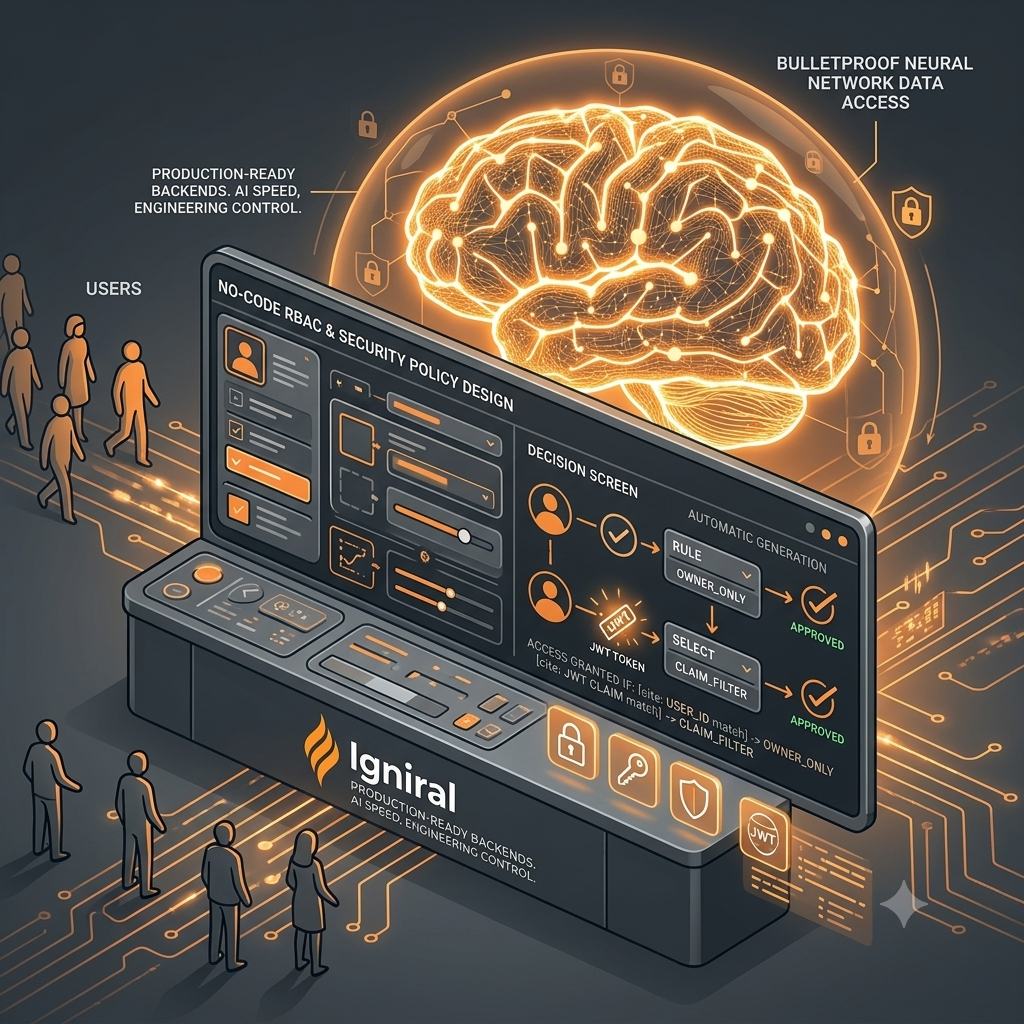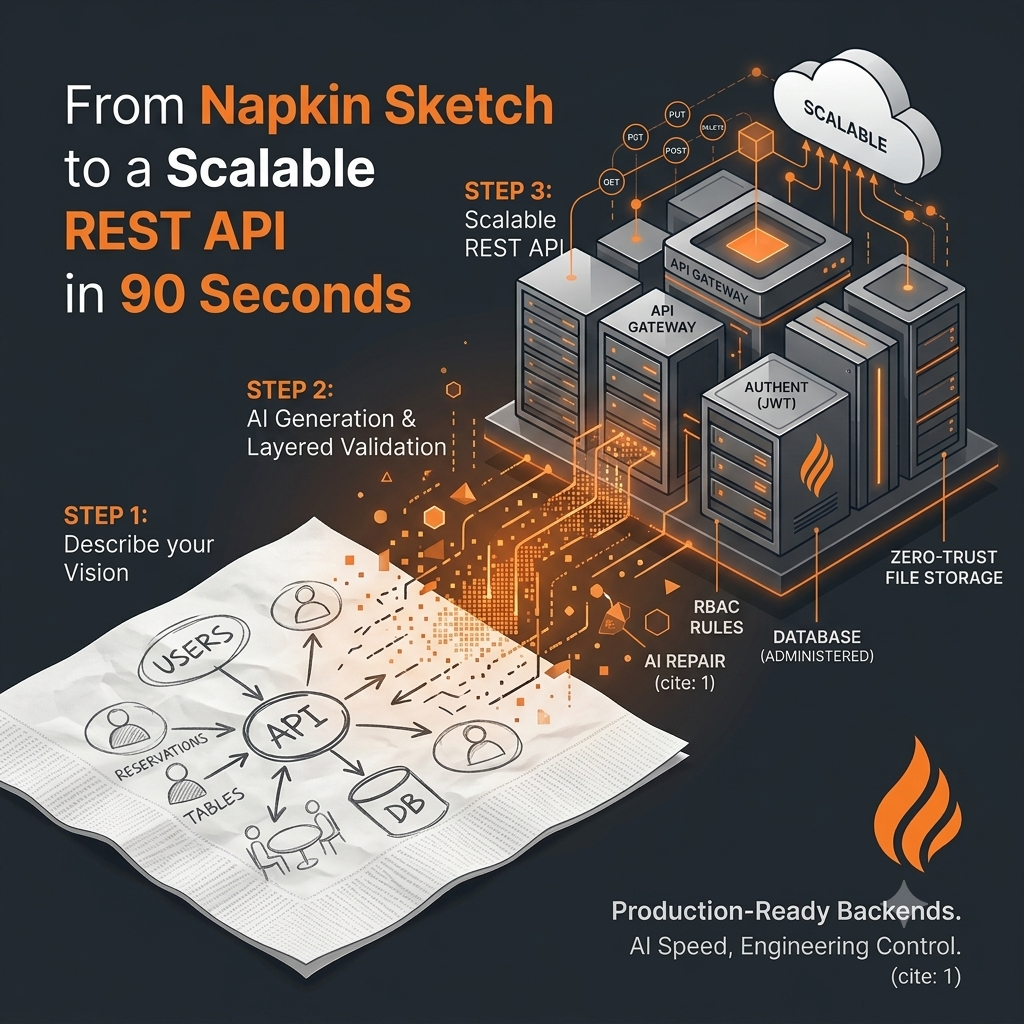
When building a Minimum Viable Product (MVP), speed is your absolute highest priority. You want to get your core features into the hands of real users as quickly as possible. Thanks to modern generative AI, writing the initial boilerplate for your application has never been faster. But this unprecedented speed introduces a silent, often overlooked threat to your entire infrastructure: unsecured file uploads.
Read ArticleIgniral Blog
Developer updates, technical deep-dives, and engineering logs from the team building the future of instant backend generation.
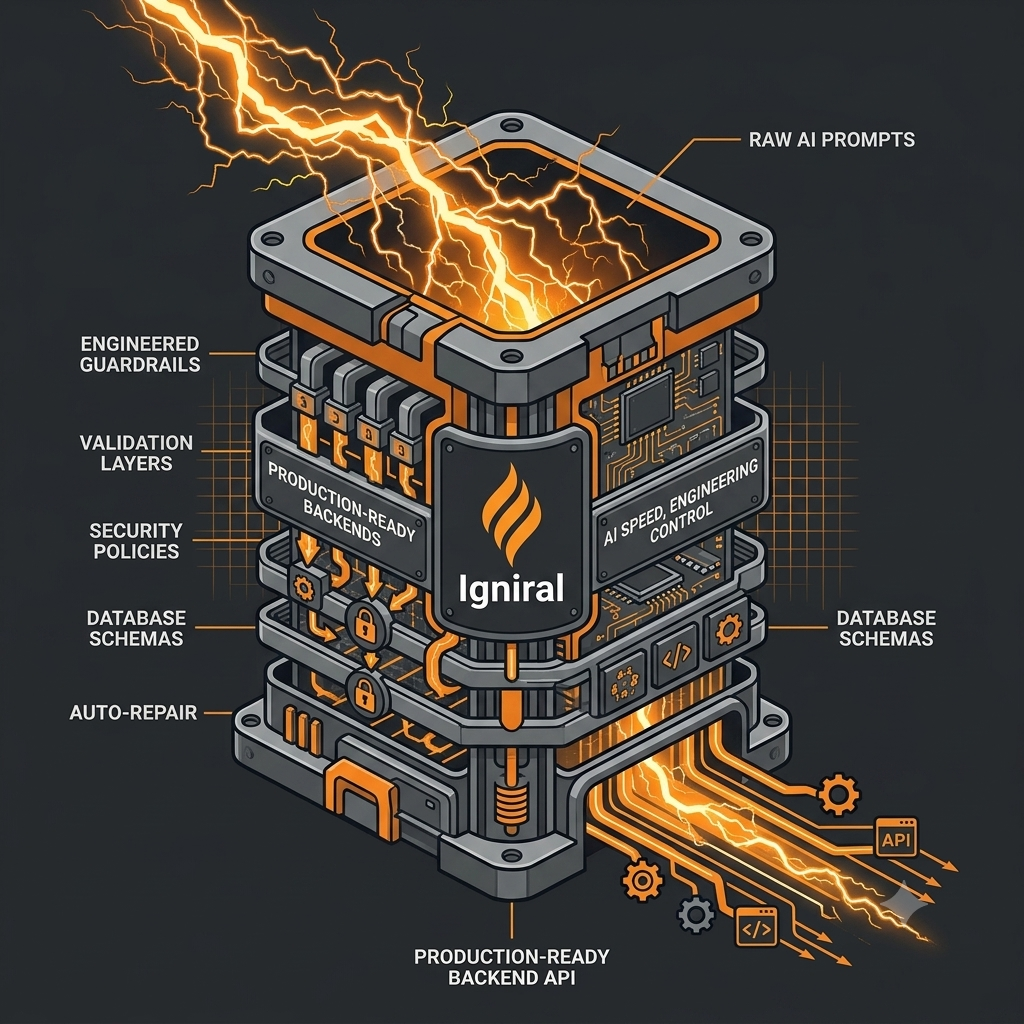
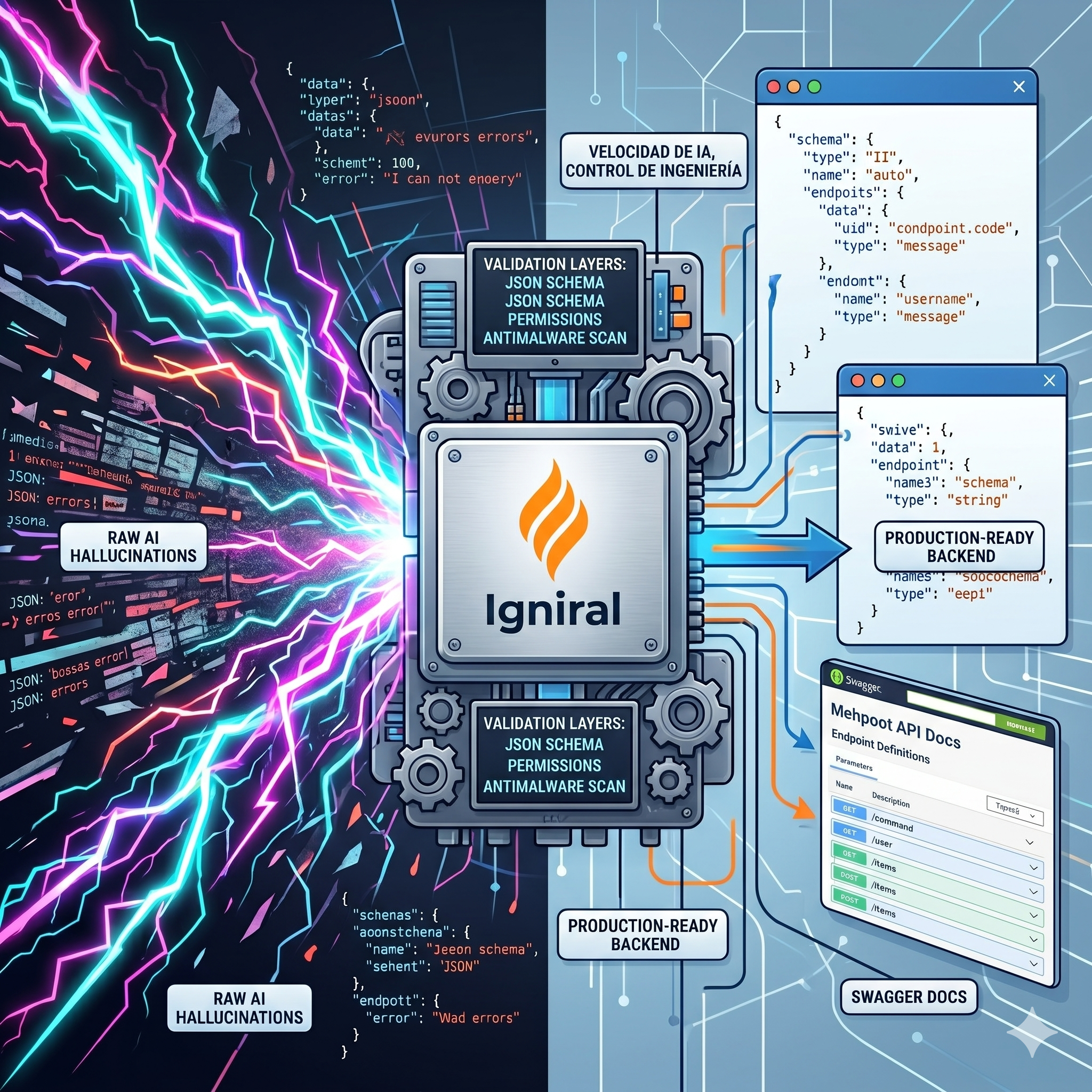
We are currently navigating a fascinating era in software development. You can type a quick paragraph into a large language model, and within seconds, it spits out a seemingly functional snippet of backend code. It feels like magic. But if you have ever tried to take that raw, unfiltered AI output and deploy it as a secure, scalable backend, the illusion shatters almost immediately.
Read ArticleWe are officially living in the golden age of developer tools. Not too long ago, developers were thrilled simply to have syntax highlighting and basic linting in their code editors. Fast forward to 2026, and AI-powered environments like Cursor and Claude Desktop are writing entire frontend components before you can even finish typing out your thoughts.
Read ArticleIf you look at your server logs today in June 2026, you will notice a massive shift. A few years ago, we built REST APIs primarily for frontend frameworks—React, Vue, or mobile apps driven by human taps and clicks. Today, the fastest-growing consumers of your endpoints aren't human-operated interfaces. They are autonomous AI agents.
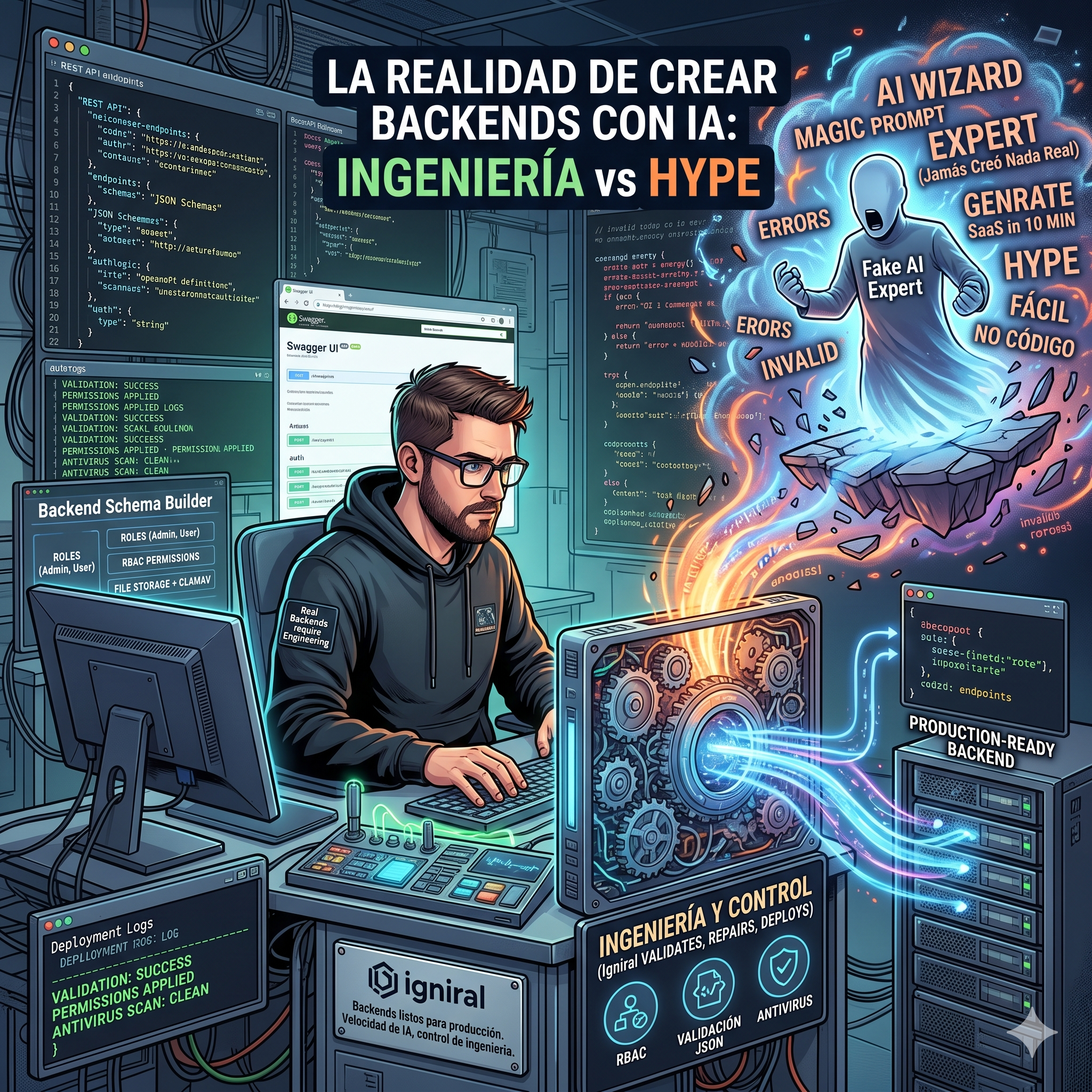
Read ArticleEvery morning, you open your favorite social media feed only to be bombarded by a new wave of "AI Wizards," "Prompt Engineers," and overnight tech influencers. They all claim the same thing: “Software engineering is dead! You can build a multi-million dollar SaaS platform in twelve minutes using this single, magical prompt!”
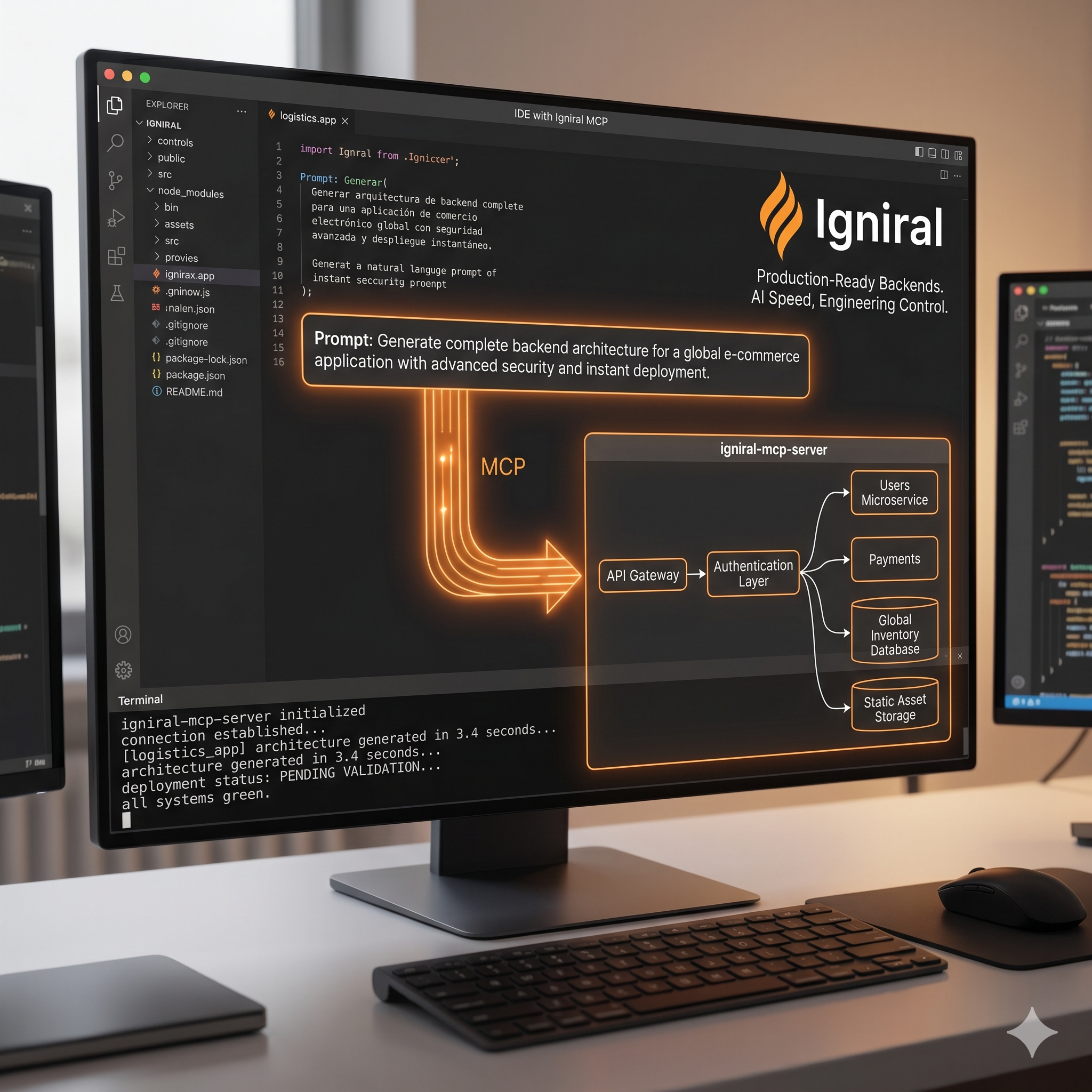
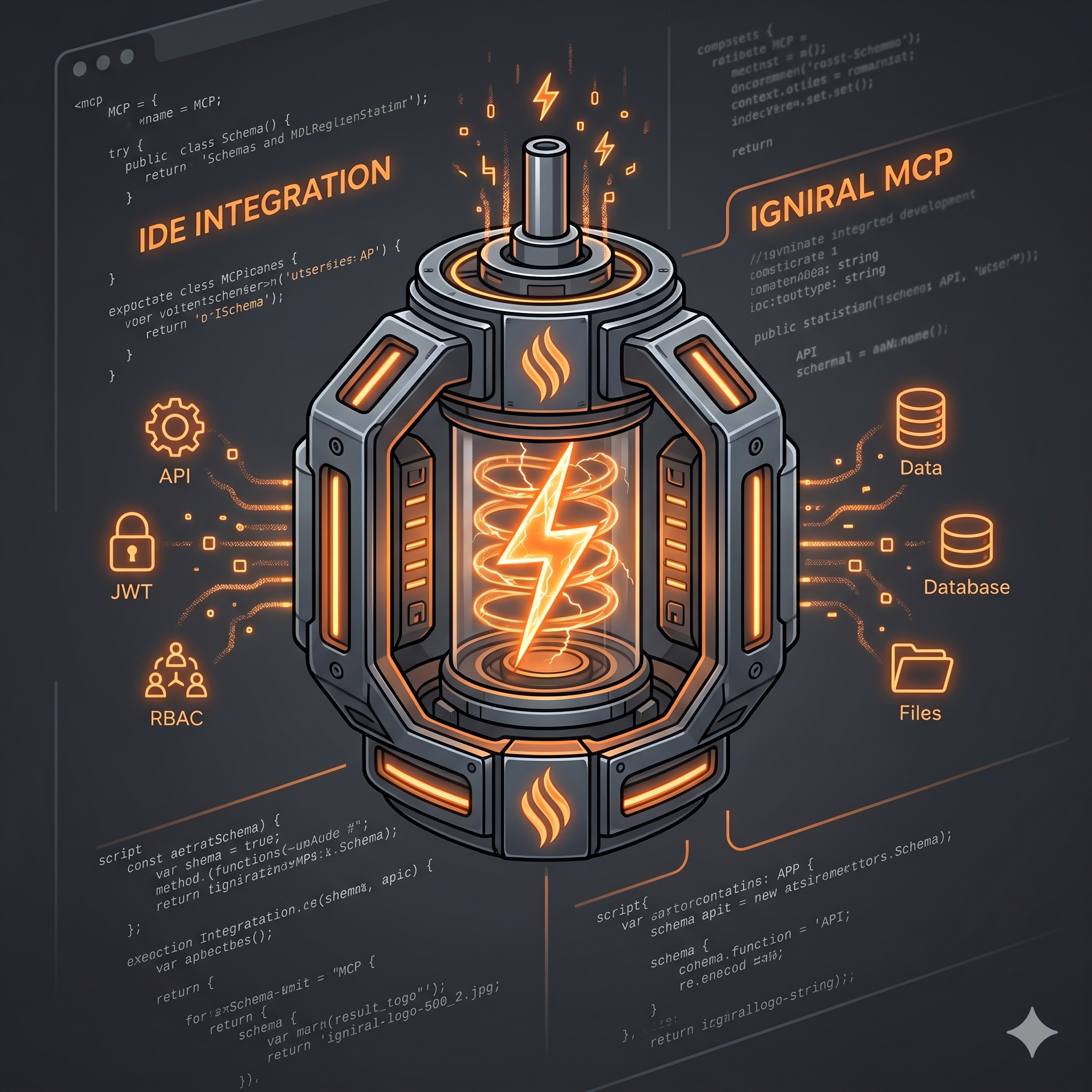
Read ArticleWe all love the momentum that modern IDEs and AI assistants have brought to our daily workflows. If you are using tools like Cursor, Claude Desktop, or Antigravity, you already know the thrill of having an AI sidekick help you write functions, refactor messy components, and scaffold frontend views.
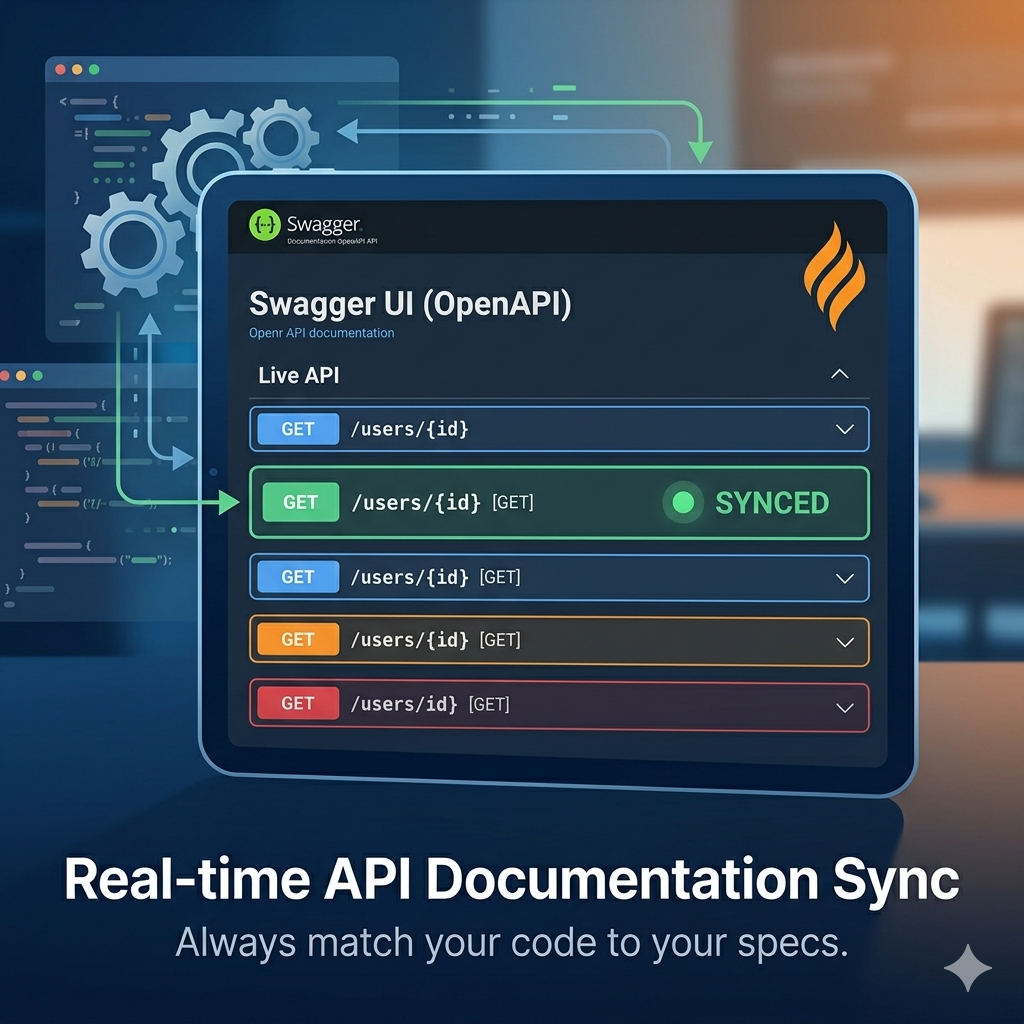
Read ArticleWe have all been there. The sprint is finally wrapping up, the frontend team is screaming for the new endpoints, and you just pushed the final commits to get the feature working in production. It is a moment of triumph—until someone in the Slack channel asks, "Hey, where is the updated Swagger spec for the new user profile route?" Silence.
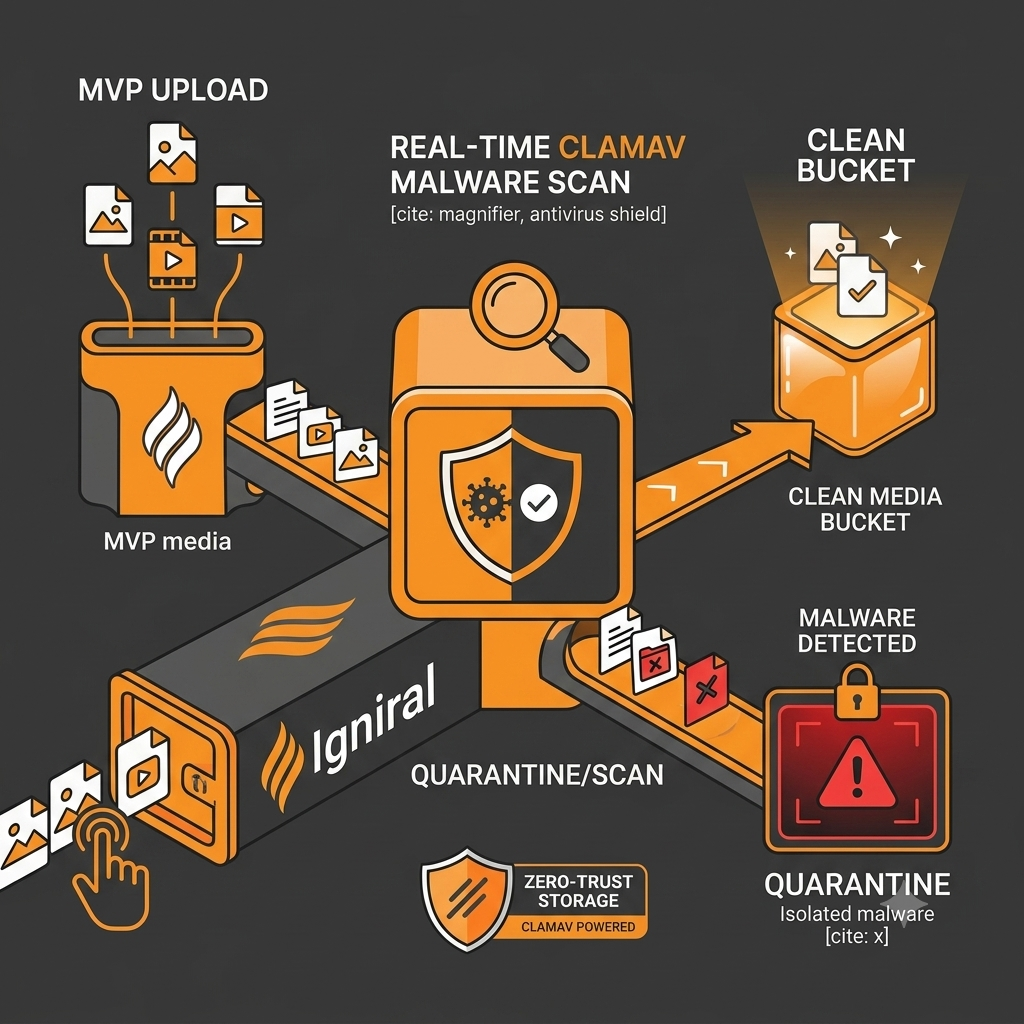
Read ArticleLet's be honest: building a Minimum Viable Product (MVP) is an adrenaline rush. You are focused on getting features out the door and seeing your vision come to life. But if you are letting users upload profile pictures or invoice PDFs without scanning them, you are essentially playing Russian roulette with your server. File uploads are a massive attack vector for malware if they are not scanned.
Read ArticleLet's be honest. If you spend more than ten minutes on X (Twitter) or LinkedIn, it might seem like artificial intelligence is already building entire companies while their founders sleep. But if you are a developer or a technical founder who has tried to use AI to spin up real infrastructure, you know the truth.
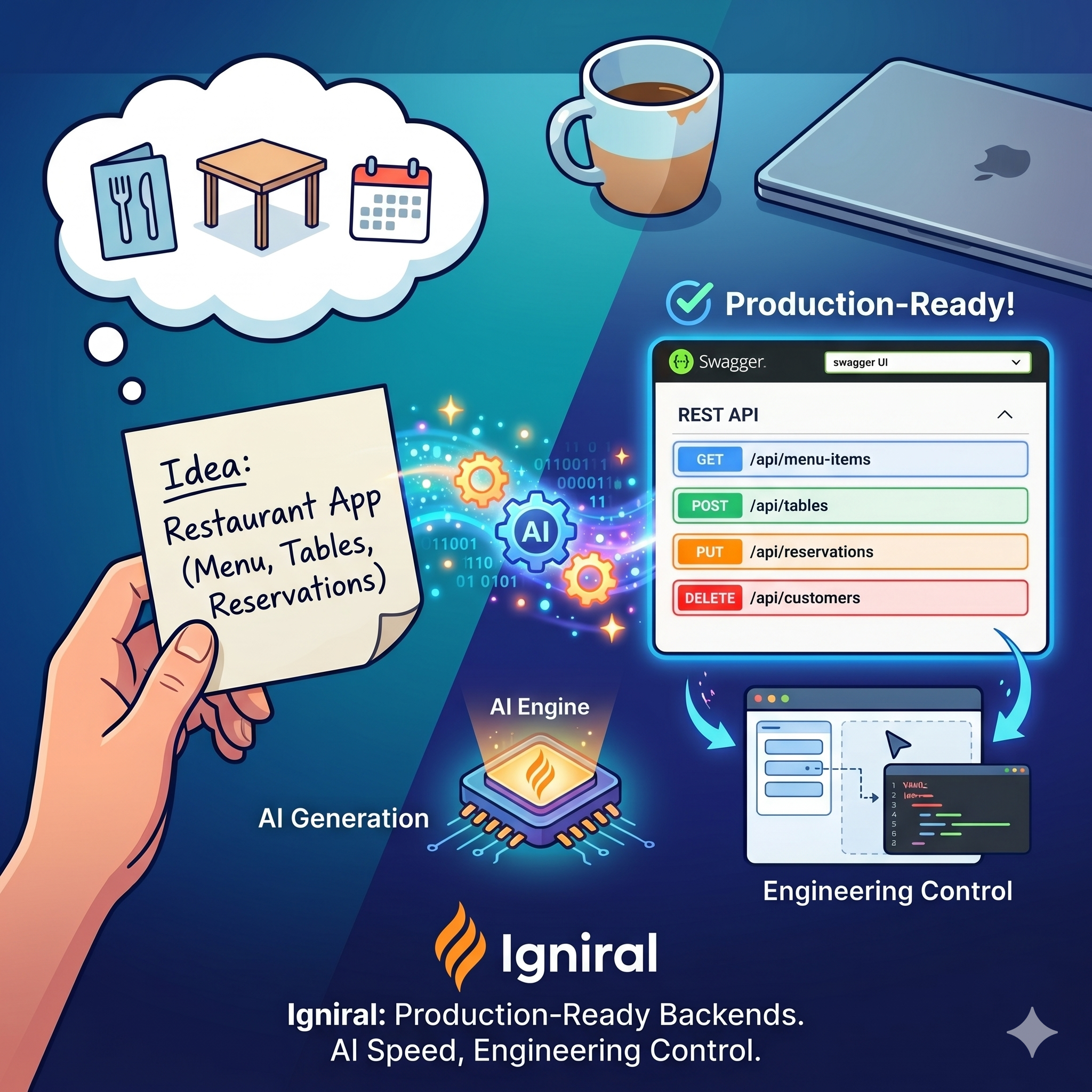
Read ArticleYou have a great idea for a SaaS. Maybe it's a platform to manage restaurant reservations, or a lightweight CRM for gyms. You have the design in your head, the domain name bought (let's admit it, we all do that first), and your enthusiasm is through the roof.
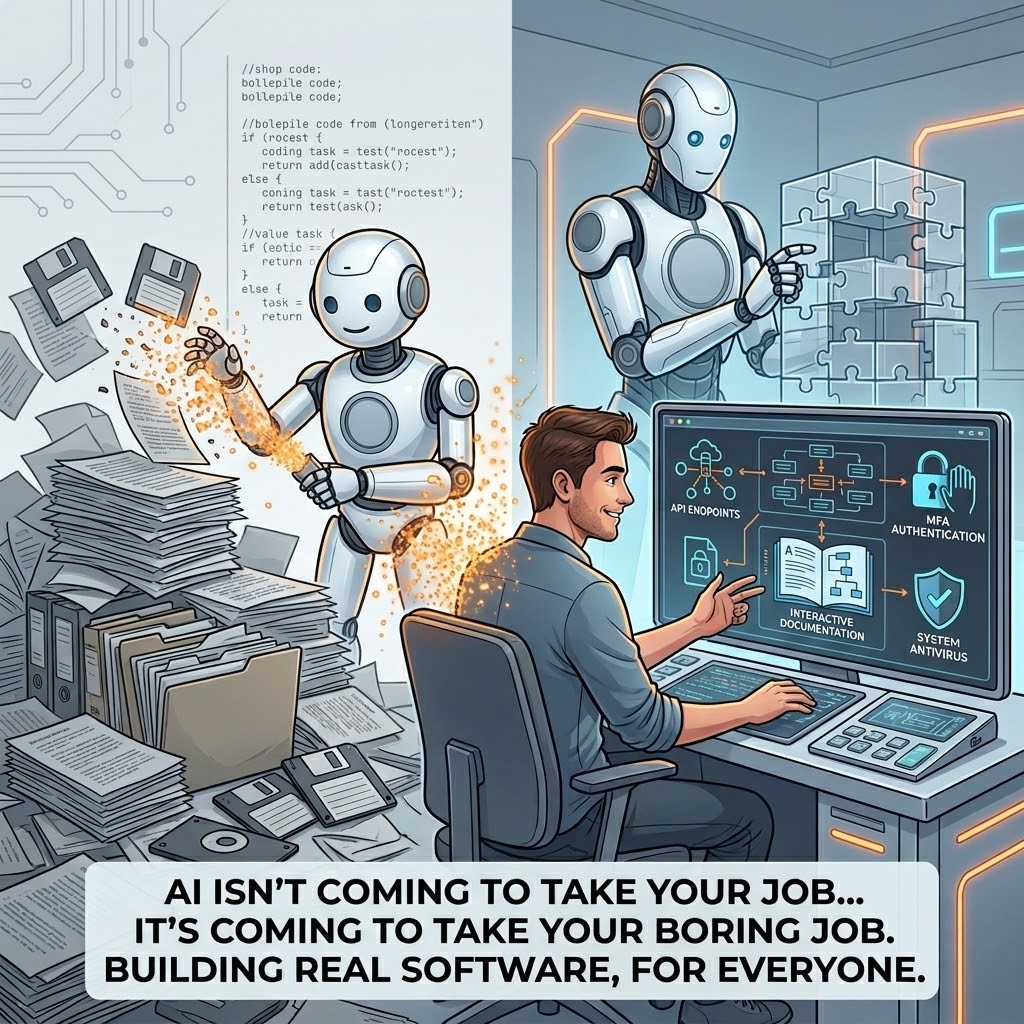
Read ArticleEveryone's talking about artificial intelligence, but between the hype and the fear, few people are asking what really matters: Can AI actually build software that works? The short answer is yes. The long answer involves endpoints, authentication, documentation, and an antivirus. Welcome to the world of Igniral.
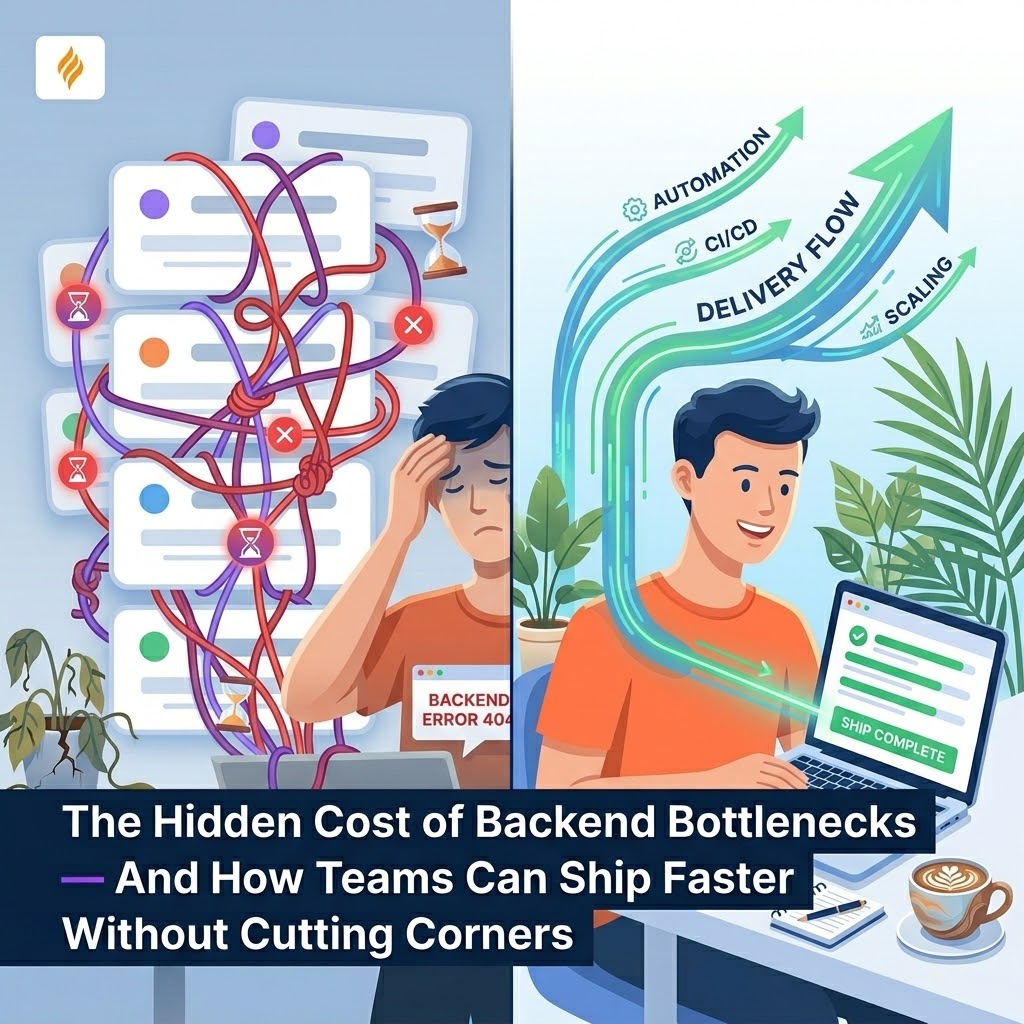
Read ArticleRepetitive backend tasks—like scaffolding CRUD endpoints, writing validation rules, and configuring auth—silently drain engineering momentum. This article explores the hidden business and technical costs of backend bottlenecks and demonstrates how Igniral’s visual schema-first approach empowers teams to deploy production-ready, secure REST APIs instantly, shifting focus from baseline plumbing to core product differentiation.
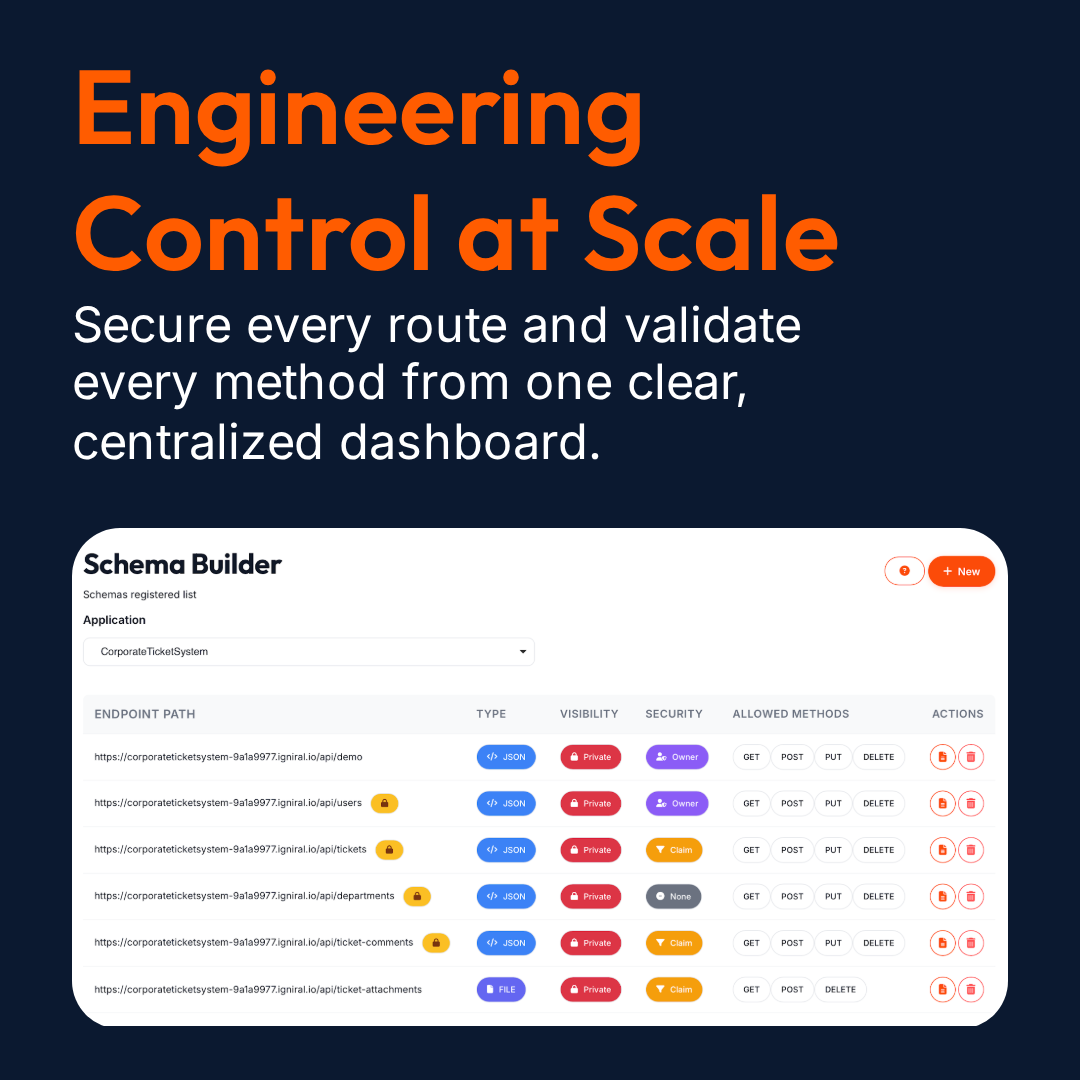
Read ArticleDiscover how engineering teams can eliminate repetitive boilerplate, design database schemas with AI, and instantly deploy production-ready APIs with built-in JWT authentication and automated Swagger documentation using Igniral.
Read Article